🏭 Introduction: What Makes Kissan Ketchup So Special?
For decades, Kissan has been India’s go-to brand for ketchup and sauces. But have you ever wondered what goes into making that rich, tangy, and sweet tomato ketchup? While the exact formula is proprietary, insights from the food processing industry and ingredient analysis reveal several manufacturing secrets behind Kissan ketchup.
Let’s take a deep dive into the ingredients, sourcing, process, and quality controls that give Kissan its signature taste.
🍅 1. High-Quality Tomato Sourcing
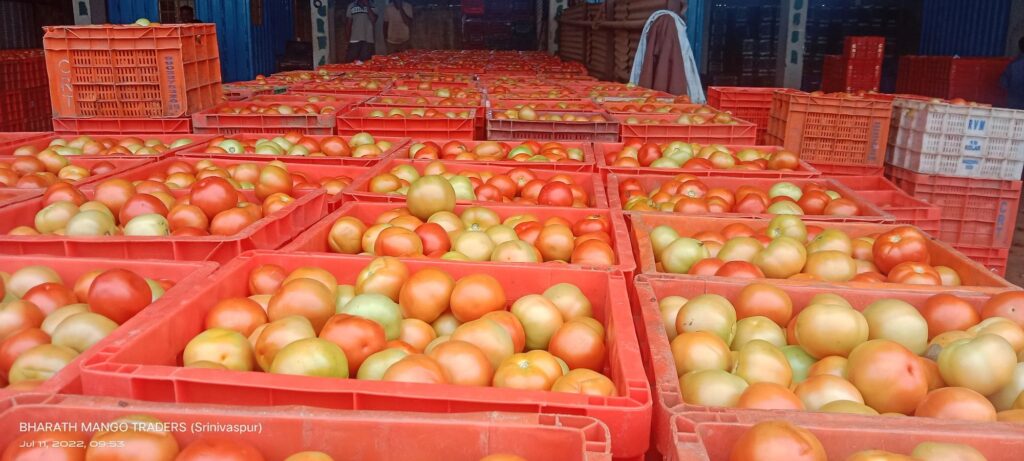
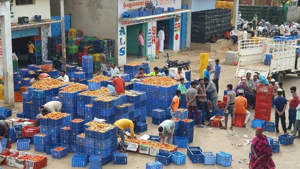
Kissan is known to use farm-fresh, fully ripe tomatoes sourced from contract farmers across India, especially from high-yield zones like:
- Kolar, Karnataka
- Nashik, Maharashtra
- Madanapalle, Andhra Pradesh
These regions grow tomatoes that are rich in pulp, vibrant in color, and high in Brix (natural sugar content) – essential for a thick and tasty ketchup.
⚗️ 2. The Secret Ingredient Mix
While the exact Kissan ketchup formula is confidential, typical ketchup ingredients (as seen on labels and industry sources) include:
- Tomato paste / pulp concentrate (minimum 28–30% in standard ketchup)
- Sugar (to balance acidity)
- Salt
- Acidity regulators (usually acetic acid – vinegar)
- Spices & Condiments
- Preservatives like Sodium Benzoate (within FSSAI limits)
- Stabilizers to ensure uniform texture
- Natural or nature-identical flavoring substances
🔐 The unique spice blend and heat-cooked processing are what give Kissan ketchup its signature taste – slightly tangy, mildly sweet, and kid-friendly.
🧪 3. Cold Break vs Hot Break Tomato Processing
Kissan uses hot break processing where tomatoes are heated at 85–100°C during pulping. This ensures:
- Thicker consistency
- Longer shelf life
- Inactivation of enzymes
- Better preservation of pectin (natural thickener)
This method is ideal for Indian-style ketchups which are thicker and bolder in taste.
🧴 4. Emulsification and Homogenization
Once the pulp is cooked and blended with spices and sugar:
- It undergoes homogenization to create a smooth, pourable texture.
- Emulsifiers and stabilizers ensure ketchup doesn’t separate over time.
- The final product has a glossy finish and stable viscosity, perfect for packaging.
🧼 5. Hygiene & Food Safety Standards
Kissan follows international-grade hygiene standards such as:
- HACCP protocols
- Automated bottling & sealing
- No human contact post-processing
- Regular FSSAI inspections and batch testing
Each bottle is made to meet export-grade quality, and some variants are even exported to the Middle East and Southeast Asia.
🧃 6. Packaging & Shelf Life
Kissan offers ketchup in various SKUs:
- Pouches (50g–950g)
- Glass bottles (200g–950g)
- Squeezy plastic bottles
Shelf life: 9–12 months, thanks to careful pH balancing and preservatives used in safe limits.
💡 Bonus Secret: Market Adaptation
Kissan’s secret isn’t just in its formula, but in its understanding of the Indian palate:
- More sweet and tangy than Western brands
- Tailored spice blends for kids and adults
- Affordable pricing & localized production
👨🌾 Relevance for Tomato Suppliers
If you’re a tomato farmer or bulk supplier, especially in regions like Kolar, working with sauce manufacturers like Kissan (or similar FMCG companies) could be highly profitable.
At Kolar Red Gold, we grow and supply Roma and Hybrid tomatoes ideal for ketchup and puree manufacturing – with high pulp, low seed content, and long shelf life.
📞 Contact us to supply tomatoes for processing:
https://kolarredgold.in/contact-us
📦 Final Thoughts
While Kissan’s exact ketchup recipe remains a trade secret, its success lies in:
- Consistent tomato quality
- Fine-tuned processing techniques
- Smart spice blending
- Strict hygiene & safety standards
Now that you know what goes into every bottle of Kissan ketchup, you’ll appreciate the science and sourcing even more.